

(Photo Credits: Volha Barysevich from Shutterstock)
Health experts are raising awareness about a little-known infection called Trichophyton mentagrophytes genotype VII, or TMVII, a fungal disease that can spread through sexual contact. Doctors say the infection has been increasingly reported in recent years, particularly among men who have sex with men (MSM). Although it is treatable, TMVII can cause painful skin lesions and may be mistaken for other skin conditions, delaying diagnosis and treatment.
TMVII is part of a group of fungi called dermatophytes, which cause infections commonly known as ringworm. Despite the name, ringworm is not caused by worms but by fungi that infect skin, hair, or nails.
Understanding what TMVII is, how it spreads, and how it’s treated can help people recognize symptoms early and seek medical care.
What is TMVII?
TMVII (Trichophyton mentagrophytes genotype VII) is a recently recognized fungal infection that can cause a type of ringworm affecting the skin. It produces red, irritated rashes that may appear on the genitals, buttocks, face, thighs, or other parts of the body. Read more here.
Health officials say the infection has circulated in parts of Europe for several years and has recently been detected in the United States. Public health researchers have noted that many early cases occurred among men who have sex with men, though the infection itself is not limited to any specific group.
Although TMVII is sometimes described as a sexually transmitted infection (STI), experts emphasize that the fungus spreads through direct skin contact, which means it can theoretically infect anyone exposed to it.
How Is TMVII Transmitted?
TMVII spreads primarily through skin-to-skin contact with an infected person, including during sexual activity. Because the rash often appears around the genitals or buttocks, intimate contact makes transmission more likely.
However, sexual activity is not the only way it spreads. The fungus can also be transmitted through contaminated items such as:
- Towels
- Bedding
- Clothing
- Sex toys
- Razors or personal hygiene items
If these items come into contact with infected skin and are shared without proper cleaning, the fungal spores can spread to others.
What Are the Symptoms of TMVII?
TMVII infections usually appear as skin rashes that resemble ringworm. The symptoms may develop days or weeks after exposure and can vary in severity.
Common symptoms include:
- Red or circular rash on the skin
- Itching or burning
- Painful or inflamed patches
- Scaly or raised borders
- Blisters, bumps, or pimples on the rash
These lesions often appear on the face, genitals, buttocks, trunk, arms, and legs, but they can spread to other parts of the body.
Because the rash can resemble eczema, psoriasis, or other skin infections, people sometimes delay seeking medical help. This can allow the infection to spread or worsen. (Yahoo News)
In some cases, TMVII can lead to complications such as secondary bacterial infections or scarring if untreated. Read here for more.
How Is TMVII Treated?
TMVII infections are usually treated with antifungal medications. In many cases, doctors prescribe oral antifungal drugs, since topical creams alone may not fully eliminate the infection, CDC reports. Treatment typically lasts several weeks, and some patients may require up to 12 weeks of medication before the infection completely clears.
Doctors also recommend additional steps to prevent spreading the fungus, including:
- Avoiding skin-to-skin contact until treatment is complete
- Informing sexual partners
- Washing clothing, towels, and bedding at high temperatures
- Avoiding shared personal items
Early diagnosis is important because untreated infections can persist and spread to others.
Why Awareness Matters
While TMVII is still considered relatively uncommon, health authorities are encouraging clinicians and the public to be aware of it. Early recognition can help reduce transmission and ensure patients receive proper treatment.
Anyone who notices unexplained rashes, especially around the genitals or buttocks, should consider seeking medical advice.
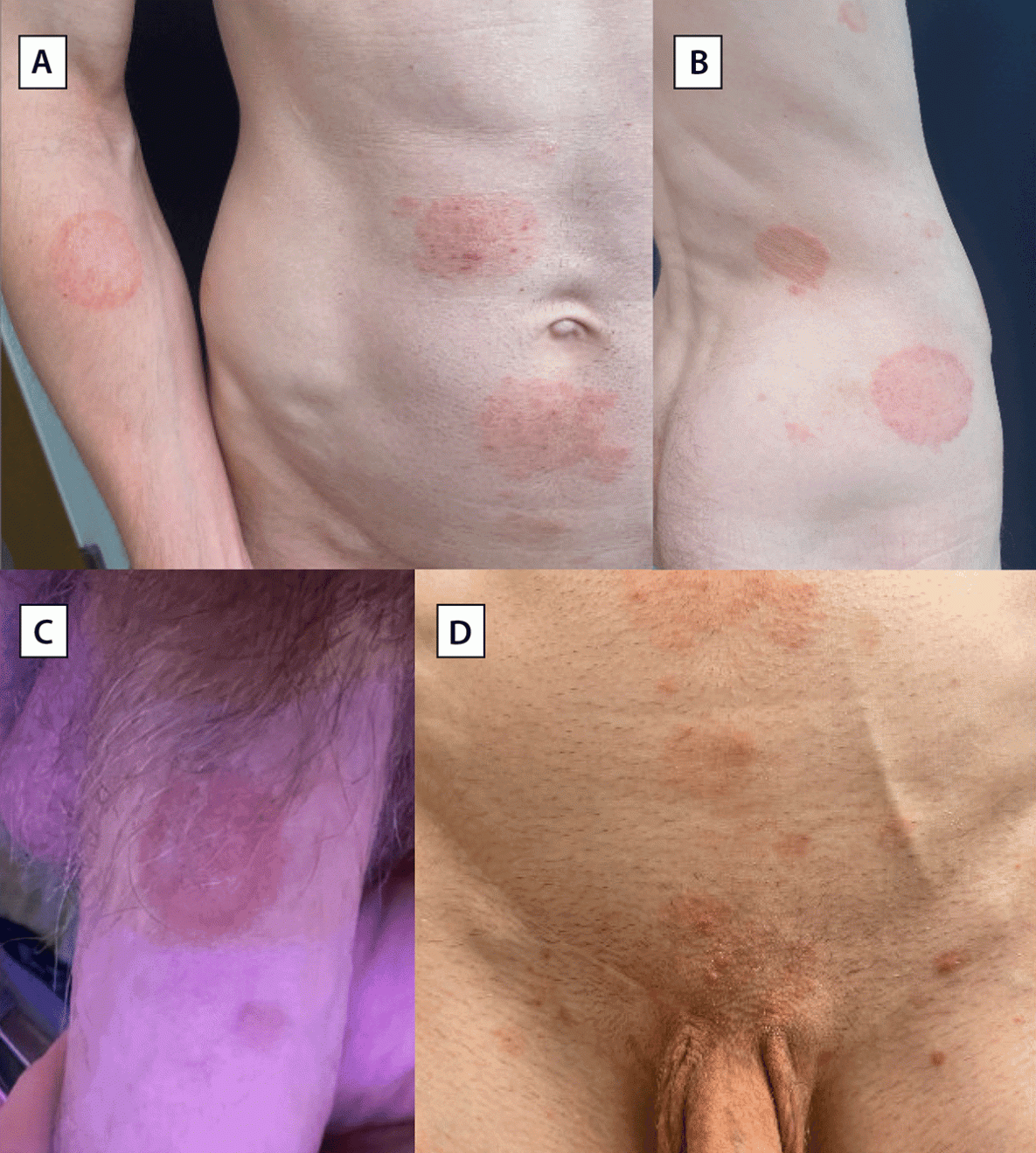
Source: Photos/Avrom S. Caplan (used with patient’s permission) from CDC








welcome to the realities of “Globalization” and the its ramification?
I’d rather be a bookworm than have ringworm
LOL! LOL! LOL!
I THINK most people with BRAINS would agree with that 🙂 LOLOL
All the more reason not to be promiscuous. What about tinea versicolor?
A general rule of thumb is washing your funky ass before offering it to someone. SOME of these things come from gay men that don’t lack proficient hygiene skills. Running around
Ike funky cavemen with nasty beards. It is starting to normalize in the Unites States.
While the reporting is focused on men who have sex with other men, most men (straight, gay, bi/DL, or otherwise) are nasty! They don’t wash their hands after using the toilet (after taking a dump in the stall while on their mobile phone) and some think having sex while being funky is attractive/sexy. I try to avoid such men but since they come in all shapes, sizes, and colors, you never know. When a guy online sends me a photo of his dick (which I didn’t ask for) or his butt and asshole and it clearly shows a fungal infection,… Read more »
I’ve been going to the gym for about a year now and what really surprises me is the number of people who don’t clean the machines / weights before or after they use them. And, men who don’t wash their hands after using the bathroom, even some gym employees.
Well said Chang!!!! I agree. And guys it’s okay to wash your ass and nutts more than one time a day. Definitely after the gym and work. And also every single time before sex.
AND AFTER don’t forget!!!! 🙂 LOLOL
Thanks for the very informative information about a new potential infection that can affect all of us. Nice to see a truly educational discussion unlike the usual claptrap that allows readers to post non-sequitur comments that don’t add anything to the discussion…even so, a few such comments seem to have appeared for this post anyway! I guess those members feel they have to say something even if it adds nothing to the topic. I guess they didn’t learn that if you don’t have anything meaningful to say, don’t say it! You know who you are!
I’m in Wilton Manors/Fort Lauderdale. I can tell you right now that a lot of gay men have these rashes around town. I have actually seen guys conceal it’s with makeup.
Wow, thank you for your input, very informative, being that I live right DT of there. I’ve always said “this place is a minefield where much is to be avoided.