
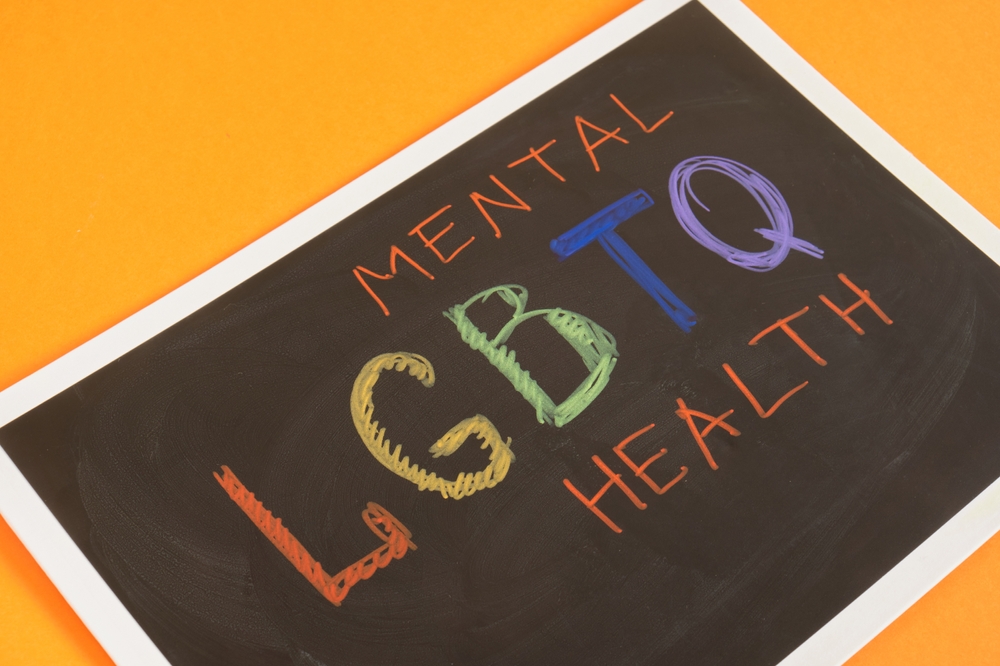
(Photo Credits: Natalya Izraitel from Shutterstock)
A new study led by Jillian Scheer at the University of Rhode Island is shedding light on the disproportionately high rates of trauma experienced by LGBTQ individuals, highlighting the urgent need for targeted mental health interventions and stronger social support systems.
The research focuses on how discrimination, stigma, and social exclusion contribute to higher levels of trauma-related mental health conditions among LGBTQ populations. According to data from the Centers for Disease Control and Prevention, LGBTQ adults are more likely to report poor mental health compared to their heterosexual counterparts, with significantly higher rates of depression, anxiety, and suicidal ideation. Studies have also shown that LGBTQ youth are more than four times as likely to attempt suicide than their peers.
Scheer, a licensed counseling psychologist who serves as an assistant professor in the University of Rhode Island’s College of Health Sciences, emphasized that trauma in LGBTQ communities is often rooted in repeated exposure to discrimination, rejection, and violence. “This research is helping inform the development of interventions aimed at reducing trauma-related mental health problems and substance use among LGBTQ+ populations, particularly by addressing the impact of discrimination and strengthening social support,” she said.
Additional findings from organizations such as The Trevor Project indicate that 39% of LGBTQ youth seriously considered attempting suicide in the past year, including 46% of transgender and nonbinary young people, while many also reported experiencing bullying, family rejection, or harassment. These stressors can lead to long-term psychological effects, including post-traumatic stress, substance use disorders, and chronic anxiety.
Mental health experts point to the concept of “minority stress,” a well-documented phenomenon in psychology where individuals from marginalized groups experience chronic stress due to systemic inequality and social stigma. This ongoing stress can compound over time, increasing vulnerability to trauma and related health risks.
Scheer’s research also explores protective factors that may help reduce these risks. Strong social support networks, affirming environments, and access to culturally competent mental health care have been shown to improve outcomes significantly. “For LGBTQ+ individuals, discrimination and other oppression-related experiences can function as chronic stressors that compound the impact of trauma,” said Scheer. “Improving supportive environments and addressing discrimination may therefore play an important role in improving mental health outcomes and reducing hazardous drinking in the population.”
Public health advocates argue that the findings underscore the importance of inclusive policies and community-based interventions. Schools, workplaces, and healthcare systems play a critical role in creating safer, more supportive environments that can reduce the incidence of trauma.
The study adds to a growing body of research calling for systemic change. By addressing both the root causes of discrimination and the need for accessible mental health services, experts believe it is possible to reduce trauma rates and improve overall well-being among LGBTQ populations. Read here and here for more information regarding this study.







Thanks, Trump.
Bull. Blame yourself dude!!! 🙁
Why is TQ+ under the same umbrella as LGB? Gender confusion is a whole different set of issues. That alone has to really alter this “study”
Really. T has nothing whatsoever to do with being gay.
Well my comments don’t follow the propaganda so my opinion is not allowed. Remember before posting here folks only one narrative is allowed
Which one dude?
Surprise surprise friggin homophobia and HATE mongers are still alive and thriving :(. Until we GET RID OF THEM!!! 🙂
It would be wonderful if a4a would support the health of their users!!! Please ban drug use on your live cam platform!!
Posted on a site overrun by extremely homophobic scammers from West Africa. Hell I got called a faggot ass cracker by a gay person here and administration ignored my report. Let’s keep discussing trauma.
“Faggot ass cracker”
Interesting. Have heard “faggot”, of course. But never “ass cracker”.
You guys must be on the older side. That’s not an insult , it’s actually an compliment. The kids use it to describe dominant hung men, these days. Like bad ass = good.
the cracker routin’ is from da’ ole’ skool afro bois!
All whine, all the time
well, if you are going to whine, have some cheese, too!
Of course a nasty QUEEN LIKE YOU can only criticize instead of making a real comment
Probably due to unreal expectations of life. Those of us who group before and during Gay Liberation survived pretty well. There’s no excuse for false victimhood today. This is a symptom of mental illness or self-harming behavior.
victimhood victimhood victimhood
What else is new, sick people, make other people sick, it’s contagious.
epidemic/pandemic
Like the CHINAFLU!
High rates of trauma.
High rates of mental illness.
High rates of depression.
High rates of suicide.
High rates of addiction.
High rates of unemployment..
High rates of no healthcare insurance.
High rates of debt.
High rates of homelessness
There is a portion of the queer community that never finds a hassle. And I believe there are many that do, and it traumatizes them disproportionately. There is a segment of men that doesn’t care about this, at all, which is ugly, the empathy denied for those in need.
Especially among the gender fluid, this can be a harsh and traumatic problem. Some care deeply, others do not.
There are many LGTBQ+ individuals who don’t find hassles. They’re usually not part of “The Community” because they find its agenda provokes confrontations while claiming to be “fighting the fight! And furthering LGTBQ+ rights!” Those who don’t find hassles generally hold their sexuality more to themselves, not hiding it, but more importantly not flaunting it or using it as of source for constant confrontation. Acceptance has come a long way in the last 50 years. I believe in large part due to LGTBQ+ individuals who have shown others that being LGTBQ+ really is a non-issue. Be equal. Battle when necessary,… Read more »
It is hiding it. Just admit it. You’re too old to live in such denial.
Right on, RANDY!
Agreed, but, relevance also plays a distinct part. For some, being Gay is nothing more than sex; for some, it is an acquired identity, and the for the rest, it may be a mixture of each?
Sympathy and Empathy are legitimate, but not the same: some have one but not the other; some have both, and some have none.
I’ve long noticed a higher incidence of mental illness in the Gay Community. Apart from trauma.
Lots of narcissism, unbalanced personality, sexual obsessions, maniacal behavior, exaggerated shallowness.
Ok whose bed did you get kicked out of, this time??